
Here’s why this is one of the most important Bitcoin developments of 2026.
Why Bitcoin’s Quantum Vulnerability Matters
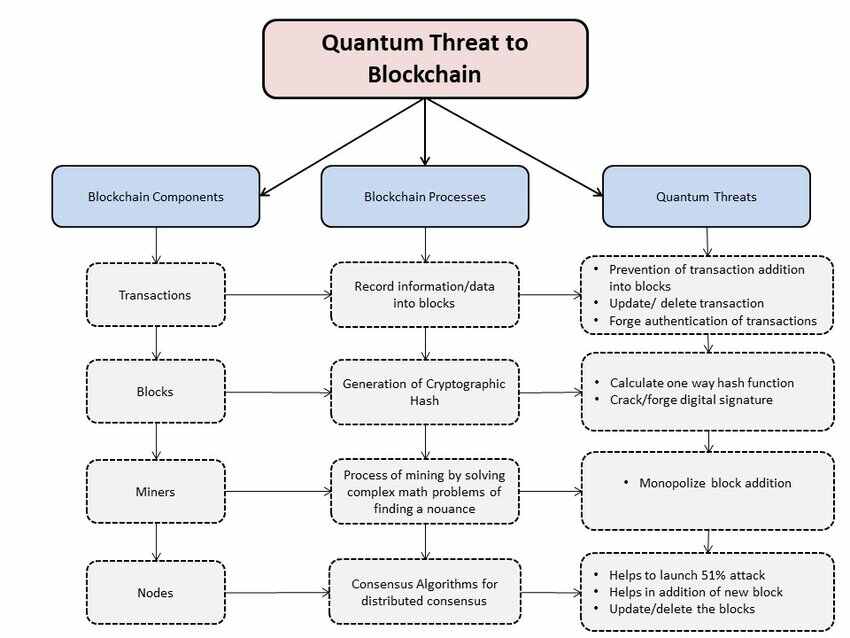
Bitcoin’s security relies on the hardness of the elliptic curve discrete logarithm problem. Quantum computers running Shor’s algorithm can solve this in polynomial time — theoretically breaking signatures and exposing funds.
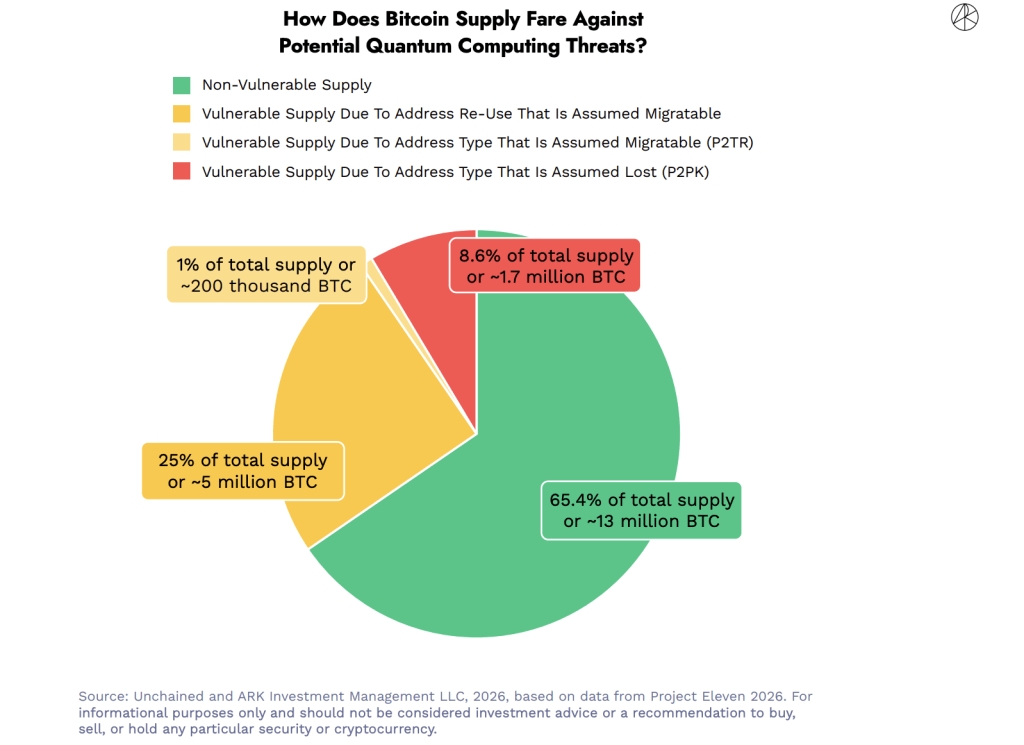
- Legacy addresses (P2PK) and reused addresses are most at risk.
- Even Taproot and modern addresses expose public keys only after spending, but a sophisticated quantum attacker could still race to steal funds.
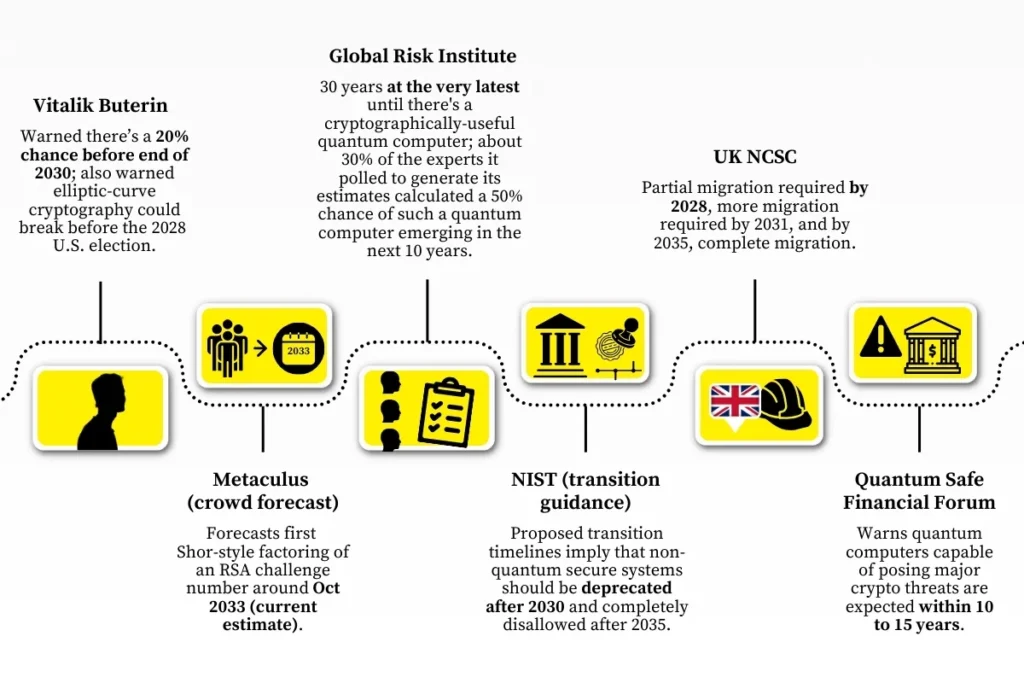
- Experts like Adam Back and Coinbase CEO Brian Armstrong have urged proactive migration, warning that preparation must begin now even if the real threat is 5–10 years away.
Previous proposals (like BIP-360, co-authored by Levy himself) require a soft fork and community consensus — processes that can take years on Bitcoin. QSB bypasses all of that.
How QSB Works: Quantum Resistance in Legacy Script
Instead of relying on vulnerable ECDSA signatures, QSB turns the spending process into a hash-based puzzle:
- The transaction includes a hash preimage challenge.
- The spender must brute-force a value whose hash output mimics a valid ECDSA signature.
- Security shifts from elliptic curves to the preimage resistance of hashes (RIPEMD-160 + SHA-256).
- Achieves ~118-bit post-quantum security—strong enough to resist even large-scale quantum computers today.
Best part? It fits inside Bitcoin’s legacy. Script limits (201 opcodes, 10,000-byte cap). No new opcodes. No consensus changes. It just works on the live network right now. Think of it as an emergency quantum shield you can deploy on high-value UTXOs while the slower BIP-360 upgrade path matures.
The Trade-Offs: Cost and Practicality
Nothing is free. QSB comes with real-world costs:
- GPU compute: $75–$200 per transaction (optimized code handles tens to hundreds of millions of hash attempts per second).
- Transaction size: Slightly larger due to the puzzle data.
- Use case: Not ideal for everyday coffee purchases — perfect for large transfers, institutional custody, or “quantum hedge” wallets.
It’s positioned as a bridge solution, an opt-in safety net rather than a full replacement for signatures.
Why This Is Trending on X Right Now
What This Means for Bitcoin Holders and the Ecosystem
- Immediate Protection: High-net-worth individuals and institutions can start migrating sensitive UTXOs to QSB today.
- Reduced Governance Risk: No waiting for miner signalling or soft-fork activation drama.
- Long-Term Confidence: Strengthens Bitcoin’s narrative as “digital gold” that can survive even futuristic threats.
- Competitive Edge: While Ethereum and others debate upgrades, Bitcoin gets a practical quantum fallback.
Of course, QSB isn’t a silver bullet for the entire network — but it buys precious time.
The Road Ahead: From QSB to Full Post-Quantum Bitcoin
Levy’s work goes well with BIP-360 (quantum-resistant addresses) and ongoing research into lattice-based signatures like Dilithium and Falcon. The Bitcoin community now has both a fast emergency option and a long-term upgrade path.
As quantum hardware advances, expect more wallets, custodians, and exchanges to offer “QSB mode” or hybrid post-quantum signatures.
Bottom Line: Avihu Levy just proved that Bitcoin’s conservative design can still evolve creatively. In a world racing toward quantum supremacy, QSB might be the quiet innovation that keeps Satoshi’s vision secure for the next decade and beyond. What do you think? Will QSB become standard practice for large BTC moves in 2026? Drop your thoughts in the comments.
Sources: Bitcoin Magazine, CoinDesk, StarkWare GitHub paper, Google Quantum AI research (April 2026). Always DYOR and never share private keys.